

Ruthie Epstein

Ruthie Epstein, Deputy Director, Immigration Policy, ACLU

Bio

Ruthie Epstein joined the ACLU in 2013. She currently serves as deputy director of immigration policy. Previously, she served as deputy advocacy director at the New York affiliate of the ACLU, and as a lobbyist on immigration and criminal justice in the ACLU’s Washington Legislative Office.

From 2005 to 2013, Ruthie worked at Human Rights First in New York. She led the organization’s detention reform advocacy, authored reports on immigration detention and the Iraqi SIV program, and convened the five-part nationwide event series “Dialogues on Detention: Applying Lessons from Criminal Justice Reform to the Immigration Detention System.” She started at HRF as a program associate in the pro bono asylum legal representation program, working directly with asylum seeker clients. Ruthie holds a master’s in international affairs from Columbia University and an AB in history from Washington University in St. Louis.

Featured Work
News & Commentary
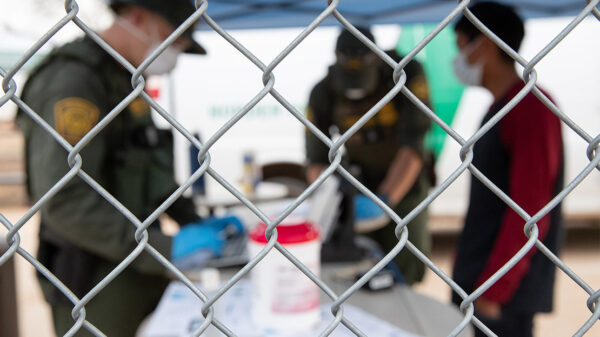
CBP agents wearing PPE processing someone wearing a mask behind a chain-link fence.
  • Border and Immigrants’ Rights|
  • +1 Issue

How to Co-opt a Pandemic to Ban Asylum

Ruthie Epstein, Former Deputy Director, Immigration Policy, ACLU
News & Commentary
web20-asylumseekerPACR-HARP-blogimage-wordpress-1110x740.jpg
  • Border and Immigrants’ Rights|
  • +1 Issue

Ban on Attorney Access for Asylum Proceedings in Inhumane CBP Jails Key to Trump's Attack on Asylum

President Trump has launched attack after attack on the U.S. asylum system over the past three years. While the administration's atrocious forced return to Mexico (MPP) policy has appropriately received much attention, another particularly nefarious policy has flown under the radar. The policy — known as Prompt Asylum Claim Review (PACR) when it’s applied to people from countries other than Mexico and the Humanitarian Asylum Review Process (HARP) when it’s applied to people from Mexico — essentially bans access to lawyers while holding asylum seekers incommunicado in Customs and Border Protection (CBP) jails, rushing them through a screening process in inhumane conditions, and removing them.