
News & Commentary
Texas Students Took Their School District to Court for Discrimination — and Won
Students and parents in Magnolia Independent School District can breathe a sigh of relief that the district’s archaic, discriminatory dress code is a thing of the past.
By Brian Klosterboer
Bright Spots of 2021
The challenges of 2021 are widely known, yet this year also had its bright spots.
By Erik W. Martínez Resly
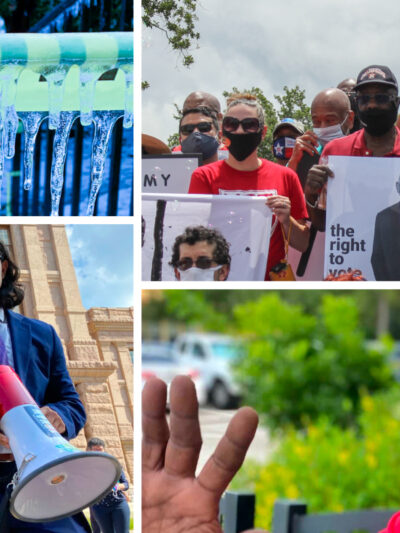
What it Takes to Fight for Trans Kids in Texas
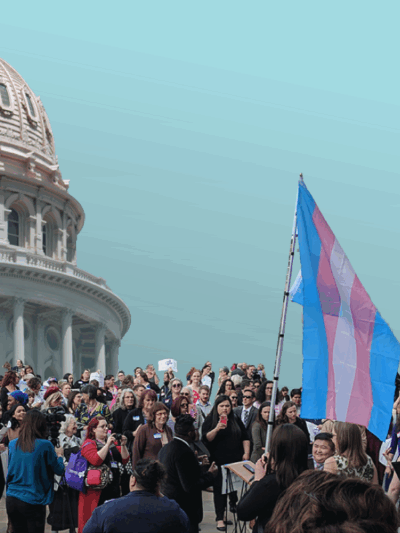
Activists fought to defeat 98% of the anti-trans laws the Texas legislature tried to pass this year. But that victory, Adri Perez writes, is bittersweet.
By Adri Perez
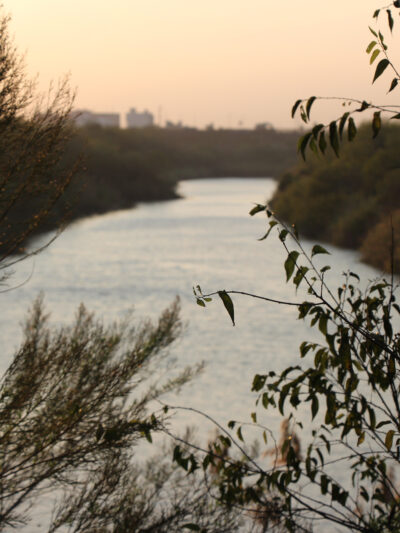
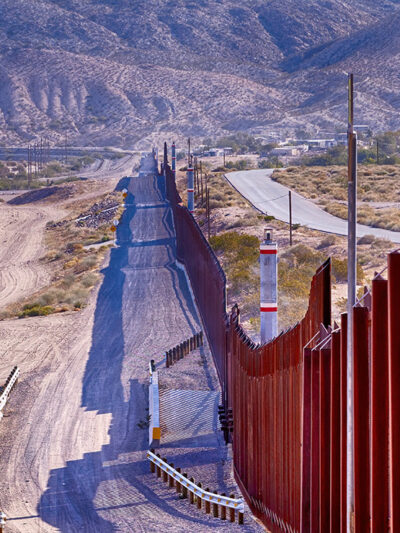
The border is my home. It represents hope for many.
When someone asks me where I’m from, I tell them I’m Rio Grande Valley born and raised. I was born in Harlingen, Texas and lived in nearby Elsa nearly all my life. Until I left for college at 21 years old, I had never realized how much I took the valley for granted; how much I love the food and weather, the livestock show, and South Padre Island. I have also come to realize how much I love the security and complexity of the valley. I grew up at the intersection of two very different countries, where a unique and collaborative culture has flourished over generations. I never knew it was one of the safest regions in the country, it was just something I felt both spiritually and emotionally. When I moved across the country for college, I experienced culture shock. Meeting people from different backgrounds than the predominantly Hispanic/Latino border region I was used to pushed me out of my comfort zone. I learned and experienced new things I had never encountered growing up such as racism, microaggressions, and implicit biases. In hindsight, the valley was a shield that protected me. But ignorance is not so blissful, as they say. Being slapped in the face with the realities of present-day racism and prejudice in the United States has forced me to re-evaluate my own ideas about society. I struggled with the concept that I might be using the homogeneity of the valley as a form of protection to remain in my blissfully unaware bubble.
By Manuel L. Hinojosa
Texas voting law cracks down: I was convicted of voter fraud but my ballot didn't even count
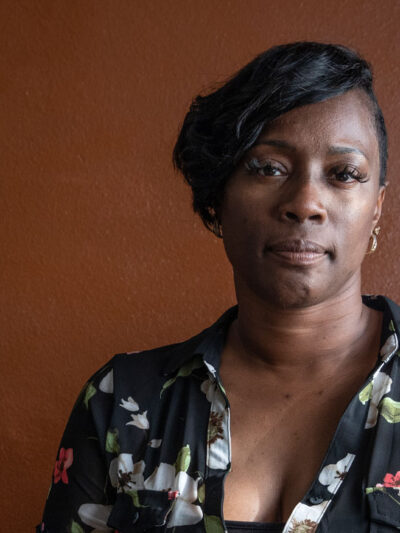
I did not know I was considered ineligible to vote. So a poll worker advised me to submit a provisional ballot. It never counted, but I was still convicted.
By Crystal Mason
The Final Religious Request of a Man on Death Row is in the Supreme Court’s Hands
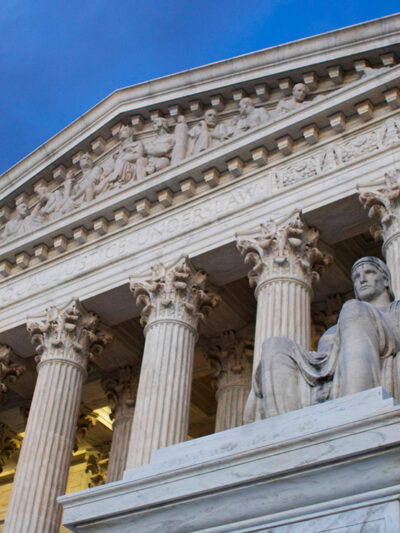
Texas won’t allow pastor to pray aloud or “lay hands on” John Ramirez as he dies.
By Heather L. Weaver
Dangerous House Bill Will Harm Trans Children Like My Own
One of the hardest things about parenting is the fact that there are so many questions and so few definite answers on how to best take care of our kids. As that tiresome old cliché goes, kids don’t come with instruction manuals. When we’re in doubt, we can consult the experts. Though I’m a research psychologist with a doctoral degree, I’m no different from other parents in this regard. I also look to experts who specialize in child development for guidance.
By Susan Broyles Sookram
Loving Books in a Time of Increasing Censorship
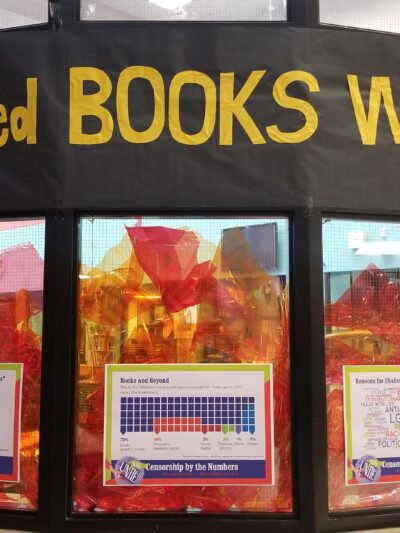
This year’s Banned Books Week (Sept. 26-Oct. 2) has a renewed importance to me and the community of students I serve. You see, I’m a librarian at a public, inner-city high school in Houston. I’ve been an educator and librarian for more than 15 years. I’d like to think that I know what my kids like and need in the safe space I try to create for them through the library and all of its resources. But I sometimes worry about pressures on school communities to censor and exclude certain kinds of information that we as educators strive to teach our kids, especially the ones that most need to see themselves in the materials they consume. What’s important for people to remember is that it’s not just books that are being censored, but any kind of information that can shape a narrative or idea, from a speaker invited to give a talk, to an LGBTQ Pride flag hanging in a window. School districts in Texas are notorious for a more traditional form of idea censorship through the act of officially banning books from school libraries or book club lists. Earlier this year, 13 books were banned from school reading lists in the Leander Independent School District just outside of Austin. Some parents complained about books depicting sexual acts, violence, or profanity — all things that can be accessed in microseconds on a teenager’s smart phone. The situation got so tenuous that a school board member recently resigned.
By Christy S.
Addressing Racialized Violence Against Migrants Requires a Complete Overhaul of Customs and Border Protection
Absent deep reforms, Border Patrol’s long history of racist, violent abuse means inhumanity like that displayed in Del Rio, Texas will continue to repeat itself.
By Shaw Drake, Kate Huddleston
Stay Informed
Sign up to be the first to hear about how to take action.
By completing this form, I agree to receive occasional emails per the terms of the ACLU’s privacy statement.
By completing this form, I agree to receive occasional emails per the terms of the ACLU’s privacy statement.