
News & Commentary
At U.S. Ports of Entry, the Government Is Denying Asylum to Those Seeking Refuge
Good things don’t always come to those who wait.
By Astrid Dominguez
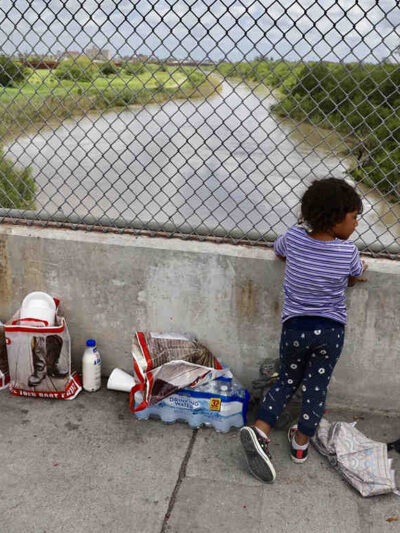
Inside Trump’s Migrant Terror Machine
On Tuesday, in response to the ACLU’s lawsuit challenging family separation, a federal court ordered the reunification of thousands of families torn apart by the Trump administration. The decision was a rare victory for civil rights, immigrants’ rights, and common human decency in the age of Trump.
By Edgar Saldivar, Thomas Buser-Clancy
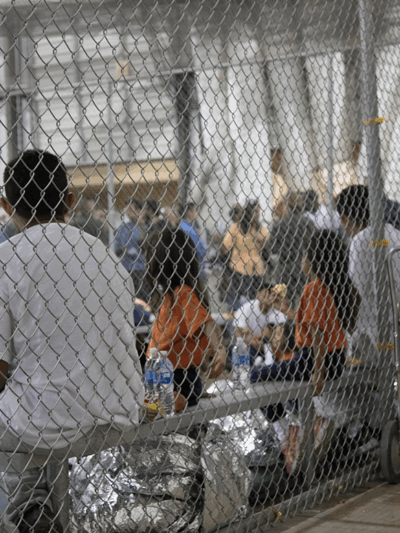
Chaos and Cruelty for Immigrants Held in Brownsville, Texas
In the federal courthouse in Brownsville, in the space of 75 minutes, 63 people were read their charges, asked to plead guilty or not guilty, and sentenced. Handcuffed and chained at the waist, they had to stoop to raise their right hands.
By Terri Burke

Resources to help families at the border
Like many on the border (and elsewhere), I’ve been working day and night to fight President Trump's monstrous and morally irredeemable family separation policy. But in spite of the now daily injustices wrought by the Trump administration, the Department of Justice, and the Department of Homeland Security, somehow I feel so energized—overwhelmed, but energized. Finally, we are not alone, and we feel everyone’s energy bent towards ending this crisis.
By Cynthia Pompa
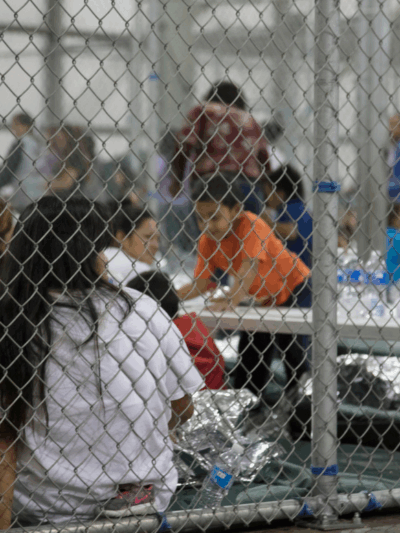
Trump’s Zero-Tolerance Border Prosecutions are Traumatizing Children: Tell His U.S. Attorneys to Stop
66 children a day ripped away from their parents, who beg officials to tell them where their kids are. Children as young as 53 weeks or 18 months old. This isn’t a dystopic TV show: it’s Attorney General Sessions’ “zero-tolerance” prosecution atrocity for immigrant parents and kids who cross the border together. And prosecution numbers have just begun to be ramped up: the thousands of families affected are just a start for this evil scheme (658 children were separated from May 6 to 19, which included only ten court days).
By Astrid Dominguez
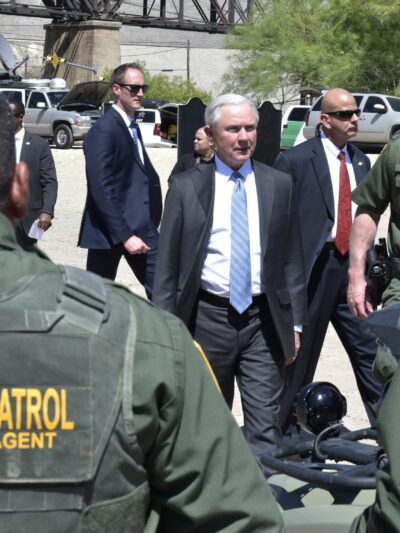
The Border is Already Militarized, Mr. President
Apparently it’s not enough for the Trump administration to lock up pregnant women, deny people their constitutional rights, and separate children with disabilities from their families all in the name of immigration enforcement. Now the President, ably assisted by Governor Abbott, is sending the National Guard to occupy the southern border as well.
By Astrid Dominguez
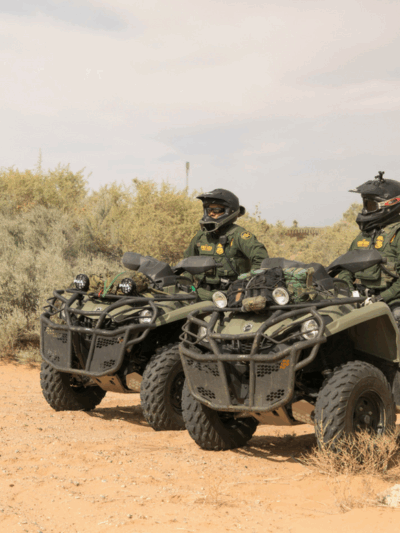
Houston Immigration and Refugee Hotline Expands Hours, Capacity
As law enforcement agents escalate their intrusions into-and occupations of-Texas's immigrant communities, it's important for Texans to have access to real-time information. With immigrants, refugees and travelers being targeted with new or more aggressive enforcement tactics, the ACLU and its partners are committed to helping people understand their constitutional rights.
By Edgar Saldivar

Sus derechos en la zona fronteriza
El 19 de enero, dos agentes de la Patrulla Fronteriza se subieron a un autobús de Greyhound en una estación de Fort Lauderdale y procedieron a cuestionar a los pasajeros fila por fila. El autobús, que viajaba desde Orlando a rumbo de Miami, no había cruzado ninguna frontera internacional. A pesar que su ruta era dentro de los Estados Unidos, los agentes interrogaron a los pasajeros, y al final detuvieron a una ciudadana jamaiquina, que según alega la Patrulla Fronteriza, se había quedado más del tiempo permitido en su visa de turista. Esta no es un historia aislada, y la práctica no es nueva. Sin embargo, un reciente aumento en este tipo de operación de inmigración —desde Nueva York hasta Florida— ha causado miedo entre viajeros y comunidades de inmigrantes. También ha promovido preguntas importantes sobre el alcance de la autoridad que poseen los oficiales de inmigración y los derechos que uno tiene en estas situaciones.
By Adriana Piñon
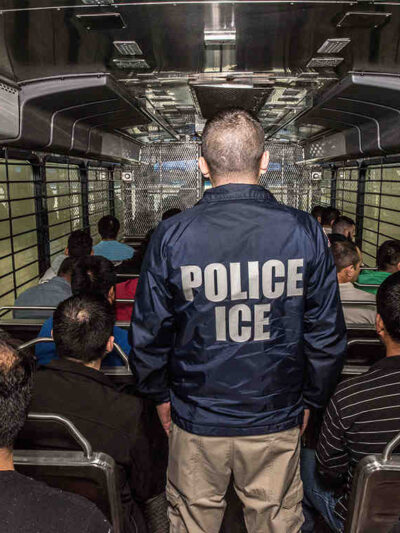
On DACA, Congress should not trade one injustice for another
President Donald Trump created a crisis over the Deferred Action for Childhood Arrivals program by rescinding the directive that protected from deportation thousands of undocumented immigrants brought here as children. Now he is holding them ransom, demanding that Congress give him $25 billion for border security, including his “beautiful” wall, in exchange for not rounding up "Dreamers" and sending them into exile.
By Astrid Dominguez, Kevin Bixby, Johana Bencomo

Stay Informed
Sign up to be the first to hear about how to take action.
By completing this form, I agree to receive occasional emails per the terms of the ACLU’s privacy statement.
By completing this form, I agree to receive occasional emails per the terms of the ACLU’s privacy statement.