
News & Commentary
There’s a Sanctuary City Problem in Texas. But it’s Not What You Think.
By Drucilla Tigner



Immigrant Kids Keep Dying in CBP Detention Centers, and DHS Won’t Take Accountability
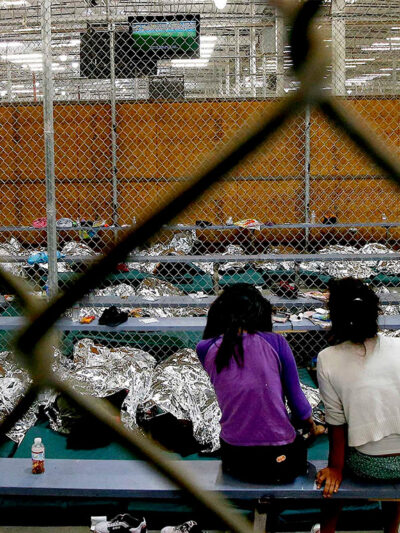
In recent months, at least seven children have either died in custody or after being detained by federal immigration agencies at the border. These children came to the United States desperate for shelter and safety, but found inhumanity and suffering under our government’s care instead.
By Cynthia Pompa
TX Legislature in Review: Reproductive Freedom
One of the rumors at the beginning of the year about how the 2019 Texas Legislative Session would unfold was that the legislature would largely avoid the big social issues that it has pursued in years past. While that turned out to be true in some cases, there was one area in which the Texas Legislature seemed unwilling to relent: the attack on abortion and reproductive healthcare.
By Matthew Simpson





Stay Informed
Sign up to be the first to hear about how to take action.
By completing this form, I agree to receive occasional emails per the terms of the ACLU’s privacy statement.
By completing this form, I agree to receive occasional emails per the terms of the ACLU’s privacy statement.