
News & Commentary
Marriage Equality Comes to Texas, But There is Still Much to Do
Today’s historic Supreme Court ruling in Obergefell v. Hodges represents a major breakthrough in the fight against LGBT discrimination in America. At long last, loving couples throughout the nation can delight in the dignity of a marriage fully recognized by the state and fully protected by the law.
The Best and Worst of the 84th
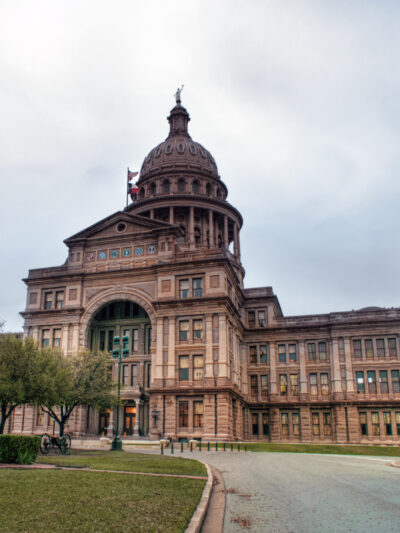
Governor Abbott spent the weekend clearing his desk of all pending legislation, and thus we can finally close the book on Texas’s 84th legislative session. This year’s session wasn’t especially unusual, in that it saw its fair share of “chubbing,” glad-handing, horse-trading, and fist fights. Also typical was the sheer volume of threats leveled against Texans’ civil liberties. Thankfully, most of the worst proposals failed to make it onto the books—while some of the better ones did.
Will Texas State Officials Defy the Supreme Court?
“The oath of office I take says I support the laws and Constitution of the United States; it says that first.”

Will Texas State Officials Defy the Supreme Court?
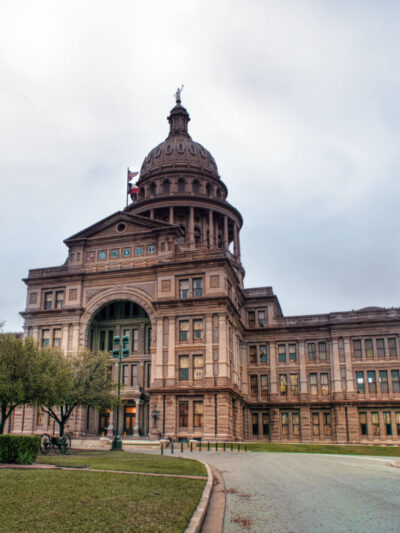
Thus spoke Dallas County Clerk John Warren when he announced that his office would begin issuing marriage licenses to same-sex couples in the event of a favorable Supreme Court ruling
Scattershot Public Defender System in Idaho Comes Under Fire
Innocent unless proven guilty…
These words are the bedrock of our cri
By Rahul Bhagnari

Sikh or ROTC Cadet? Army Can’t Make College Student Choose, Federal Court Rules
What's the difference between a beard grown because of skin sensitivity to shaving and a beard grown for religious reasons? According to the Army, only one of them will damage good order and discipline.
And although both yarmulkes and turban
By Rahul Bhagnari
Hard Evidence on Why Domestic Violence Victims May Think Twice About Calling 911
When a man in Binghamton, New York was restrained, stabbed, and robbed in his home, his neighbor called 911. Although he told the police that he did not know the attackers or why he was targeted, the city designated this episode of random violence as a "nuisance" under local law. Officials later informed the man's landlord of this incident and others that led to the police being called to the property. In response, the landlord assured the city that every tenant in that building would be evicted to address this issue.Alarmingly, this kind of story is not uncommon. Nuisance ordinances – also called crime free or disorderly house laws – are on the books in towns and cities across the country. In Binghamton, the city defines many crimes as public nuisances, such as assault, disorderly conduct, and sex offenses. All too often, when these crimes occur, the resident is the victim. Once the nuisance law is triggered, the property owner is told to address the issue or face penalties that include an order from the city closing the building. The majority of landlords respond to such warnings by removing the tenants who were the subject of a police call.A new report issued by the ACLU, in partnership with the Social Science Research Council, reveals the devastating consequences of nuisance ordinances for victims of crime in New York and domestic violence survivors in particular. Silenced: How Nuisance Ordinances Punish Crime Victims in New York uncovers how victims of domestic abuse are too often further victimized by nuisance laws. The report focuses on an analysis of records from both Binghamton and Fulton, NY. Though the cities structured their ordinances differently, domestic violence was the single largest category of activity that led to enforcement of both laws. Domestic violence accounted for 38% of nuisance "points" in Binghamton and 48% of incidents in Fulton's nuisance warnings. Both cities also routinely penalized tenants who reported other crimes committed against them, including incidents of rape, theft, and assault, or sought medical assistance.
By penalizing calls to police, nuisanc
By Rahul Bhagnari
Moving Toward Equality for Transgender Students in Virginia
Things were going just fine at Gloucester High School for sophomore Gavin Grimm, a transgender boy. It was the first school year he was fully out as male and the school was doing everything it should. Administrators, teachers, and students began using his new legal name and referred to him with male pronouns, and Gavin was able to use the boys' restroom without incident.
All of this was consistent with establ
By Rahul Bhagnari
Two Stains on Our Nation as Anti-LGBT Bills Pass in Michigan and North Carolina
As the country awaits a decision from the Supreme Court on marriage equality, anti-LGBT forces who want to use religion to allow discrimination have pushed bills through in Michigan and North Carolina. Both North Carolina’s marriage refusal bill SB 2 and Michigan’s adoption refusal House Bills 4188, 4189 and 4190 have gotten final approval and are about to be law.
The North Carolina bill would al
By Marc Climaco
Stay Informed
Sign up to be the first to hear about how to take action.
By completing this form, I agree to receive occasional emails per the terms of the ACLU’s privacy statement.
By completing this form, I agree to receive occasional emails per the terms of the ACLU’s privacy statement.