
News & Commentary
Texas’ Annual Roundup of the Working Poor
March 5th marks the beginning of the annual Great Texas Warrant Roundup. It sounds like quite a lot of fun, another cowboy extravaganza from a state famous for its stock shows and rodeos.
By Trisha Trigilio

Beyoncé’s Unapologetically Black “Formation” Dropped Within Days of Two Unarmed Black Men Being Shot and Killed in Texas
It is fair to say Beyoncé won the Super Bowl with a political performance we won’t soon forget. She has received praise and criticism for using platform to take a strong pro-black stance. The “Formation” video, released Feb. 6, has been called a visual anthem, with explicit references to hurricane Katrina, all-too-familiar images of police in riot gear, and a plea to “stop shooting us.” Meanwhile in Texas, the shooting hasn’t stopped.
By Dione Friends

5 Reasons Texas Should Decriminalize Marijuana, and One Reason It Shouldn’t
Last year, eleven separate marijuana-related bills were introduced in the Texas legislature, and next year we can probably expect eleven more. Candidates for local offices in Austin and Houston are running on marijuana decriminalization platforms, and the Dallas city council is poised to implement a “cite and release” pilot program for low-level possession offenders. It’s beginning to feel like a movement, and forgive us for saying so, but it’s high time.

5 Ways Texas can Prevent Another Sandra Bland Tragedy
These are the reforms Texas needs to ensure tragedies like Sandra Bland's never happen again.
By Mark Humphries
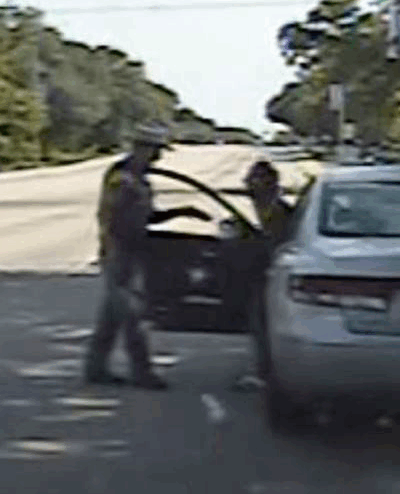
Street Signs and Tree Stumps: Remembering Sandra Bland
In a Facebook post earlier this month, the Waller County Sheriff’s Office expressed its “condolences to the Sandra Bland family for their loss.” The sentiments would be welcome, were they sincere.

This Isn't the Training Our Police Officers Need
This week the Houston Police Officers’ Union invited controversial psychology professor William Lewinski to conduct training seminars for 140 of its officers. Unfortunately it won’t be the sort of training that will rebuild community trust in law enforcement or save lives. Quite the opposite.

Let’s Turn McKinney into an Opportunity
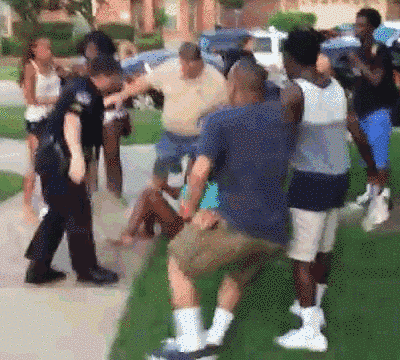
On June 5th McKinney police responded to a complaint regarding unwanted teenagers at a community pool. What ought to have been relegated to a footnote in a local police blotter has become yet another variation on a depressingly routine theme in the racial politics of American policing. Rather than exercising common sense and restraint, officers on the scene opted for escalation, intimidation, and excessive force against a group of young black people.

Stay Informed
Sign up to be the first to hear about how to take action.
By completing this form, I agree to receive occasional emails per the terms of the ACLU’s privacy statement.
By completing this form, I agree to receive occasional emails per the terms of the ACLU’s privacy statement.