
News & Commentary
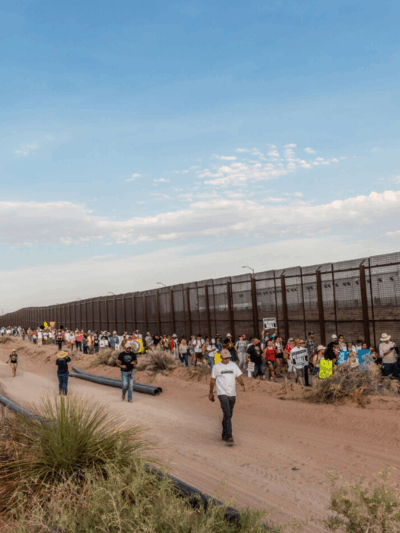
How Far Will Trump Go to Get his Border Wall? We’re Demanding Answers.
President Trump continues his pursuit of a pointless, destructive border wall at all costs.
By Shaw Drake, David Donatti
We’re Suing to Make Sure that CBP Can’t Keep Asylum Seekers from Their Lawyers
Kate Huddleston, Equal Justice Works Fellow, ACLU of Texas
This
By Kate Huddleston
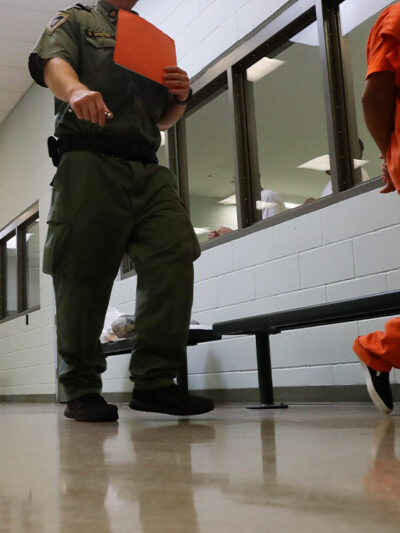
“Disgusting subhuman shit:” Border Patrol Agent’s Actions and Attitudes Reflect Agency’s Violent Culture
While on duty in 2017, Border Patrol agent Matthew Bowen was driving in a government-issued pickup truck when he saw Antolin Rolando Lopez-Aguilar, a migrant from Guatemala, attempting to cross into the United States.
By Cynthia Pompa
A Border Officer Told Me I Couldn’t Opt Out of the Face Recognition Scan. They Were Wrong.
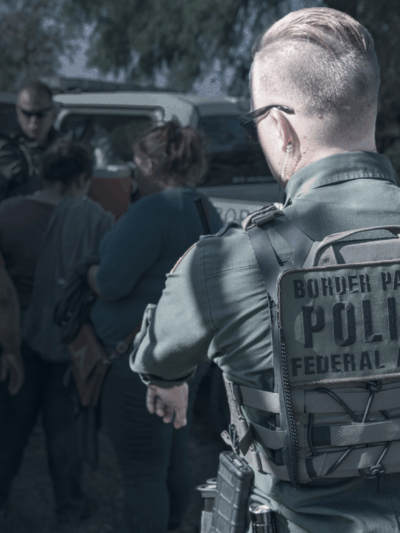
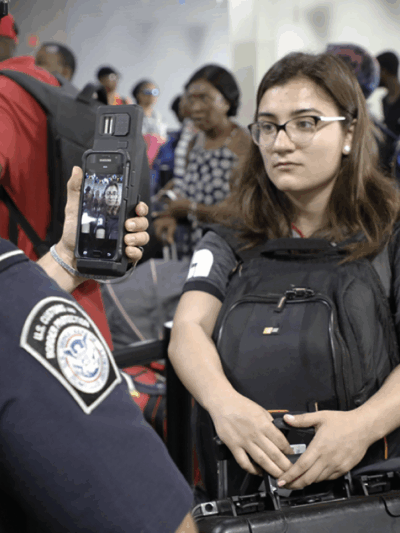
“Look at the camera,” a Customs and Border Protection (CBP) officer told me as I approached the primary inspection point at the Paso del Norte port of entry.
By Shaw Drake
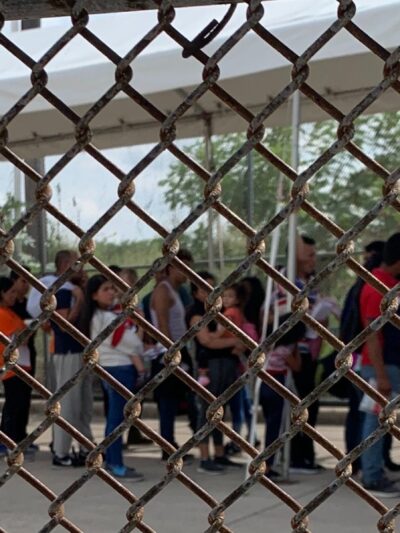
Trump’s War on Asylum-Seekers is Endangering Pregnant Women
The view from the Matamoros, Mexico side of the Rio Grande — just across from Brownsville, Texas — reveals an unsettling scene.
By Rochelle Garza
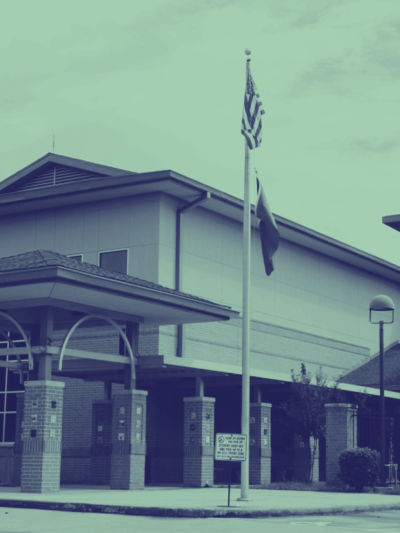
How Students, Parents, and Teachers Can Address Discrimination in Schools
By Brian Klosterboer

Stay Informed
Sign up to be the first to hear about how to take action.
By completing this form, I agree to receive occasional emails per the terms of the ACLU’s privacy statement.
By completing this form, I agree to receive occasional emails per the terms of the ACLU’s privacy statement.